ITALY'S 7% FLAT TAX REGIME
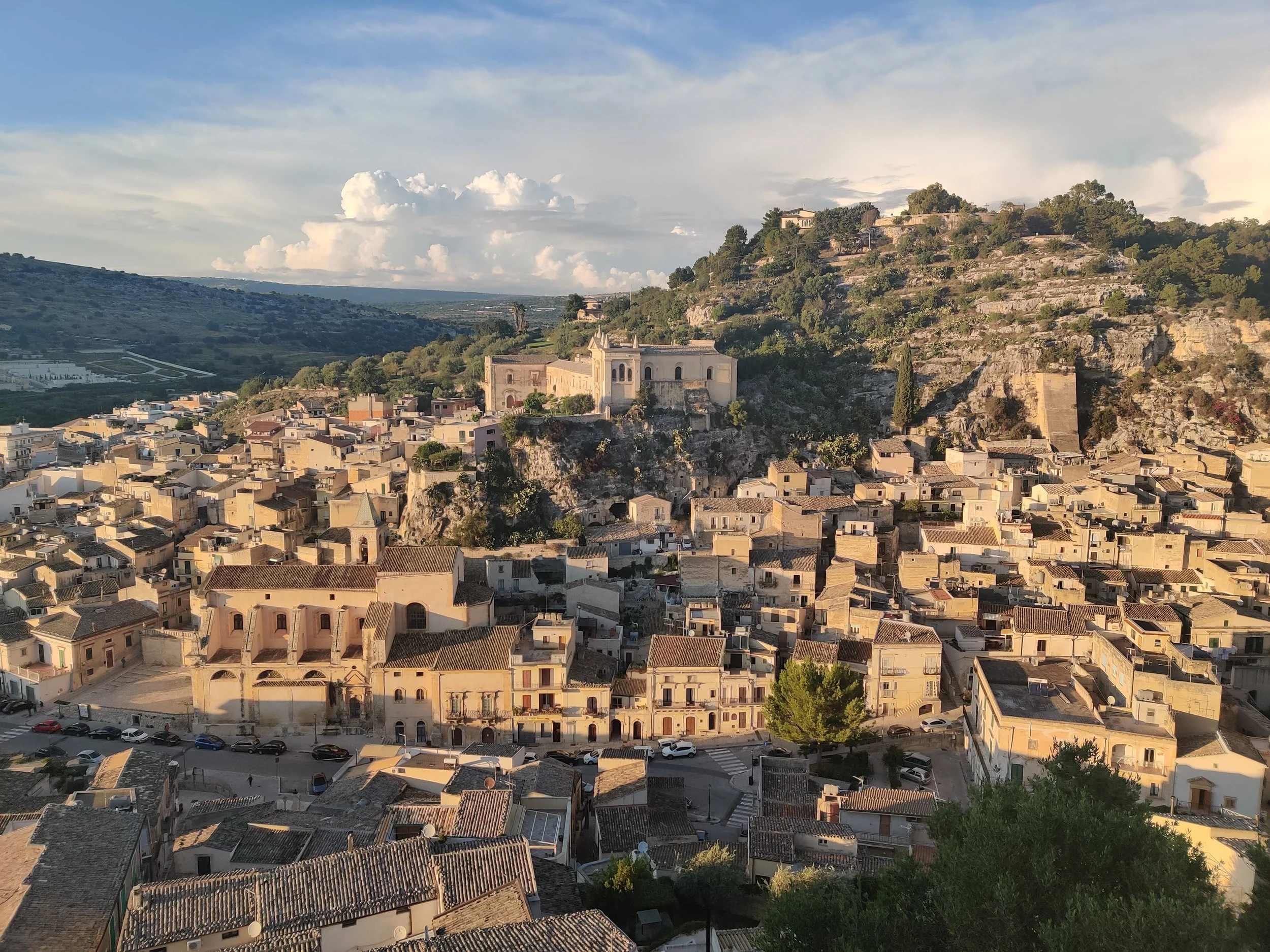
Italy's 7% Flat Tax for Foreign Retirees: What It Is and Why Sicily Is Winning
If you've ever dreamed of retiring to sun-drenched southern Italy — sipping wine on a baroque terrace, paying a fraction of what you'd owe back home in taxes — that dream now has a legal framework behind it. Italy's 7% flat tax regime for foreign pensioners is one of Europe's most competitive retirement incentives, and Sicily sits right at the heart of it.
What Is the 7% Regime?
Italy introduced the 7% flat tax regime in 2019 to attract foreign pensioners to relocate to southern Italy. Under this scheme, qualifying retirees pay a flat 7% tax on all foreign-sourced income, instead of being subject to Italy's progressive income tax system, which ranges from 23% to 43% or higher. That's a significant difference, particularly for retirees drawing on substantial pensions, dividends, or investment income from abroad.
The regime can last for up to 10 consecutive tax years and covers not just pension income, but also employment, self-employment, capital income, and rental income from foreign sources. Family members can benefit too, provided they meet the relevant conditions.
Participants are also exempt from wealth taxes and foreign asset reporting obligations — a meaningful administrative relief for anyone with international holdings.
Who Qualifies?
To qualify, you must receive a foreign pension, not have been an Italian tax resident in any of the previous five years, and take up residency in an eligible municipality in one of eight southern regions: Sicily, Calabria, Sardinia, Campania, Basilicata, Abruzzo, Molise, or Puglia. For US citizens, qualifying income includes Social Security, IRA distributions, and 401(k) withdrawals.
The regime isn't automatic — eligible retirees must formally opt into it when submitting their Italian tax return for the first year of residency.
The Big 2026 Change
Until very recently, the scheme was limited to small towns under 20,000 residents. Effective April 7, 2026, Law No. 34/2026 raised the maximum population of eligible municipalities from 20,000 to 30,000 inhabitants — the most significant expansion of the regime since its introduction in 2019. This unlocks 74 new municipalities across southern Italy, including mid-sized towns that were previously excluded.
What This Means for Sicily Specifically
Sicily has long been one of the most popular destinations under this regime, offering warm weather, affordable property, baroque architecture, and an increasingly active expat community. The 2026 expansion makes it even more attractive.
Sicily and Puglia each gained 18 newly eligible towns in the expansion. Well-known destinations such as Noto, Erice, Scicli, and Milazzo now fall within the scope of the regime, making the island even more attractive for international retirees. Other newly eligible Sicilian towns include Taormina, Castelvetrano, and Termini Imerese.
These are not remote villages — they are functioning towns with hospitals, schools, public transport, and an urban quality of life that many smaller comuni cannot offer. The expansion effectively shifts the profile of who the regime serves: previously it drew retirees willing to settle in very rural communities; now it's a viable option for those who want amenities alongside their tax break.
The Broader Picture
The numbers speak for themselves: a retiree with €60,000 in annual foreign income would owe around €4,200 under the 7% regime, compared to potentially €18,000–€25,000 under Italy's standard progressive rates. Combined with Sicily's relatively low cost of living and property prices, the financial case can be compelling.
That said, tax incentives are best treated as the final nudge for people already drawn to southern Italian life — not as the sole reason to relocate. Daily life in smaller Sicilian towns is conducted largely in Italian, healthcare access varies, and infrastructure (while improving) isn't always on par with northern Europe. The reward for those who embrace the immersion, though, is a genuinely different pace and quality of life.
If you're considering making the move, the first step is verifying that your chosen town sits under the 30,000-resident threshold and falls within an eligible region — then consulting an Italian tax professional to structure your residency correctly from the start.
If you want help finding a home here in Sicily reach out to jo@sicilyhouse.co
*This post is for informational purposes only and does not constitute tax or legal advice. Rules and eligibility criteria can change — always consult a qualified Italian tax advisor before making decisions.